







- Tube width: 35 cm - 70 cm
- Sack length: 43,5 cm - 137 cm
- Bottom width Flush-cut: 7,5 cm - 22 cm
- Bottom width Stepped-end-cut: 7,5 cm - 21 cm
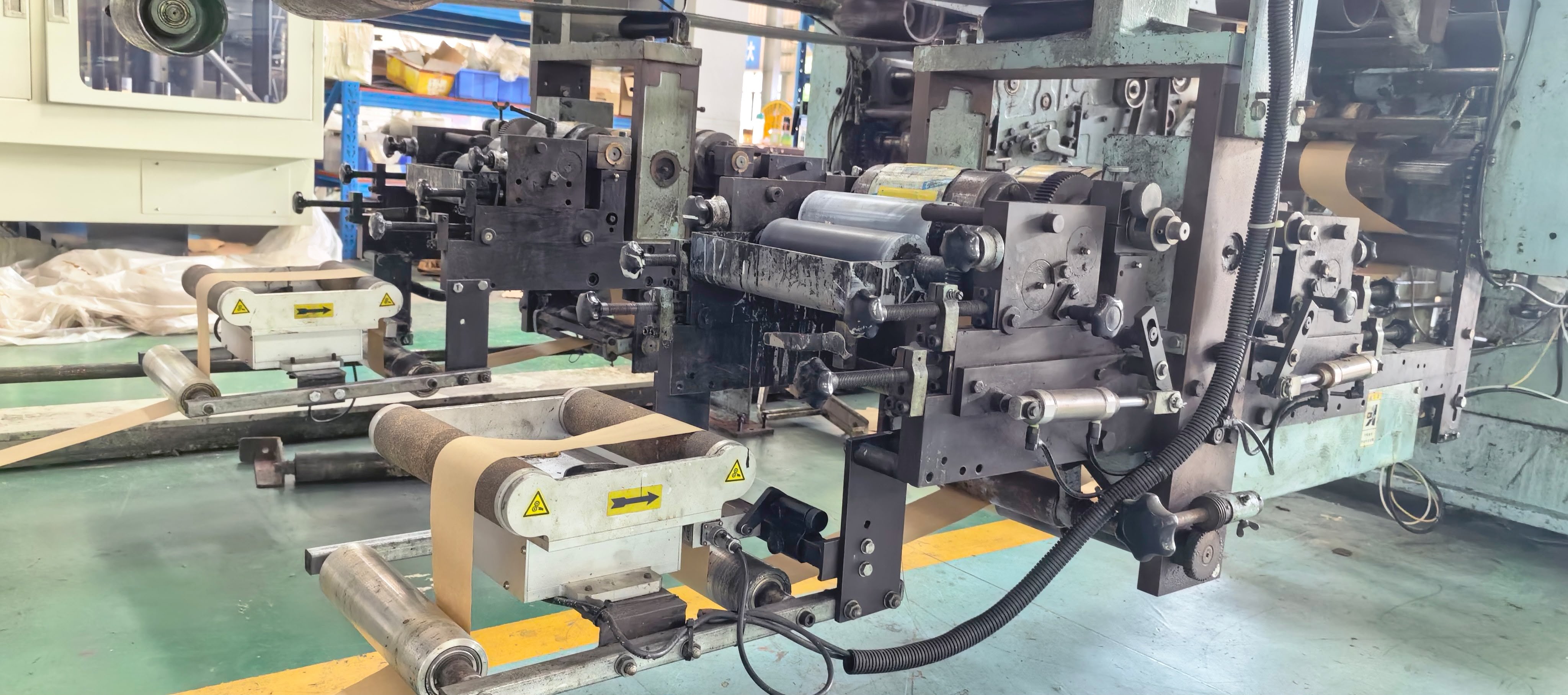
- Bottom Patch Units with 2 colours printing
- Production Speed : 130 sacks/min
- Bottom center distance: 36 cm - 130 cm
- Valve: 2 plies
Note:
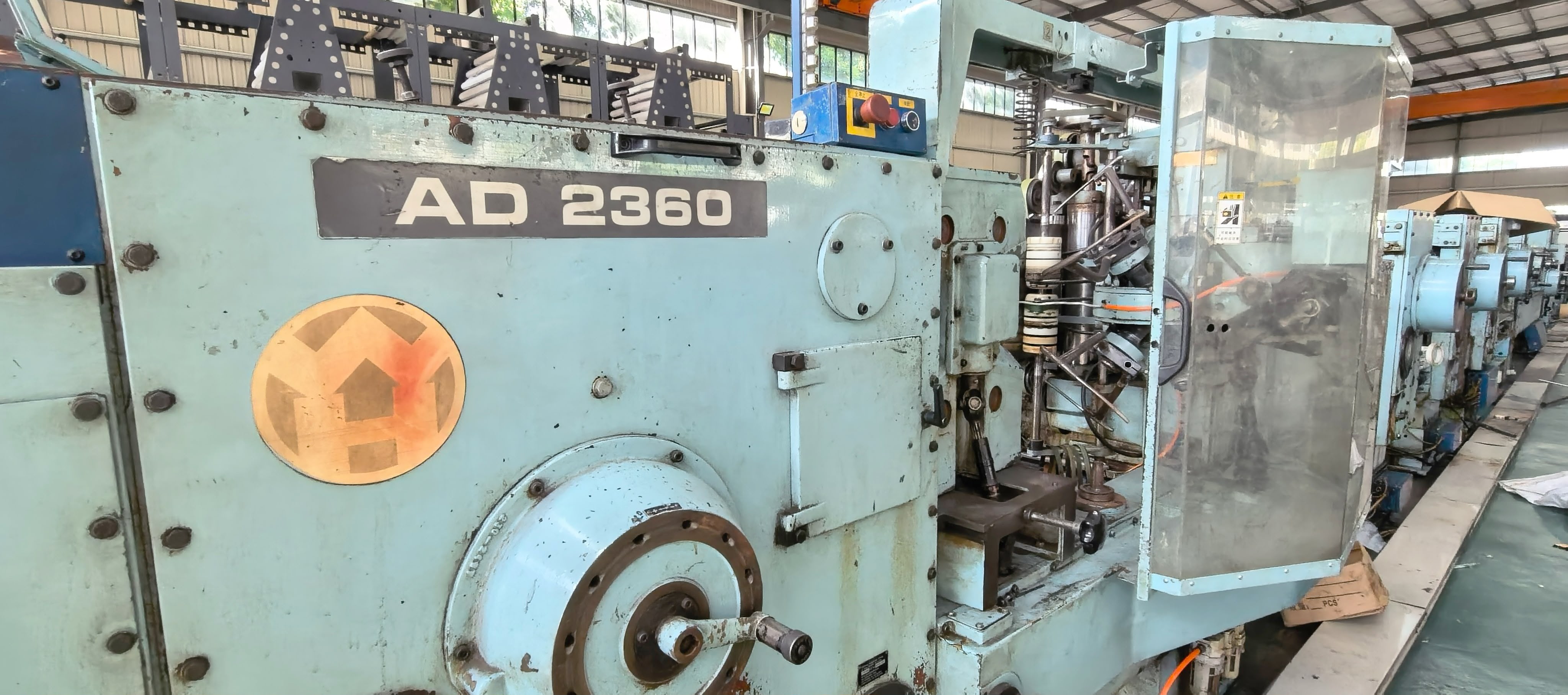
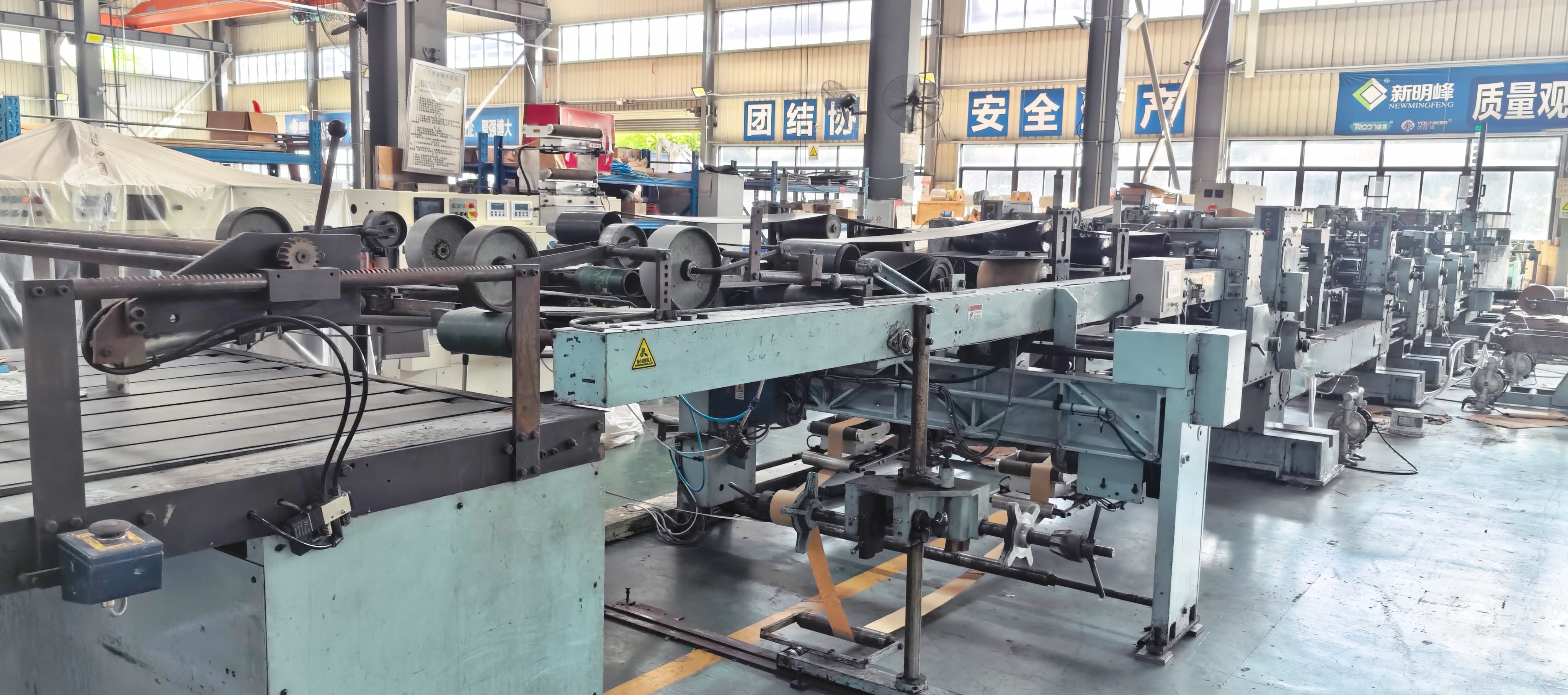
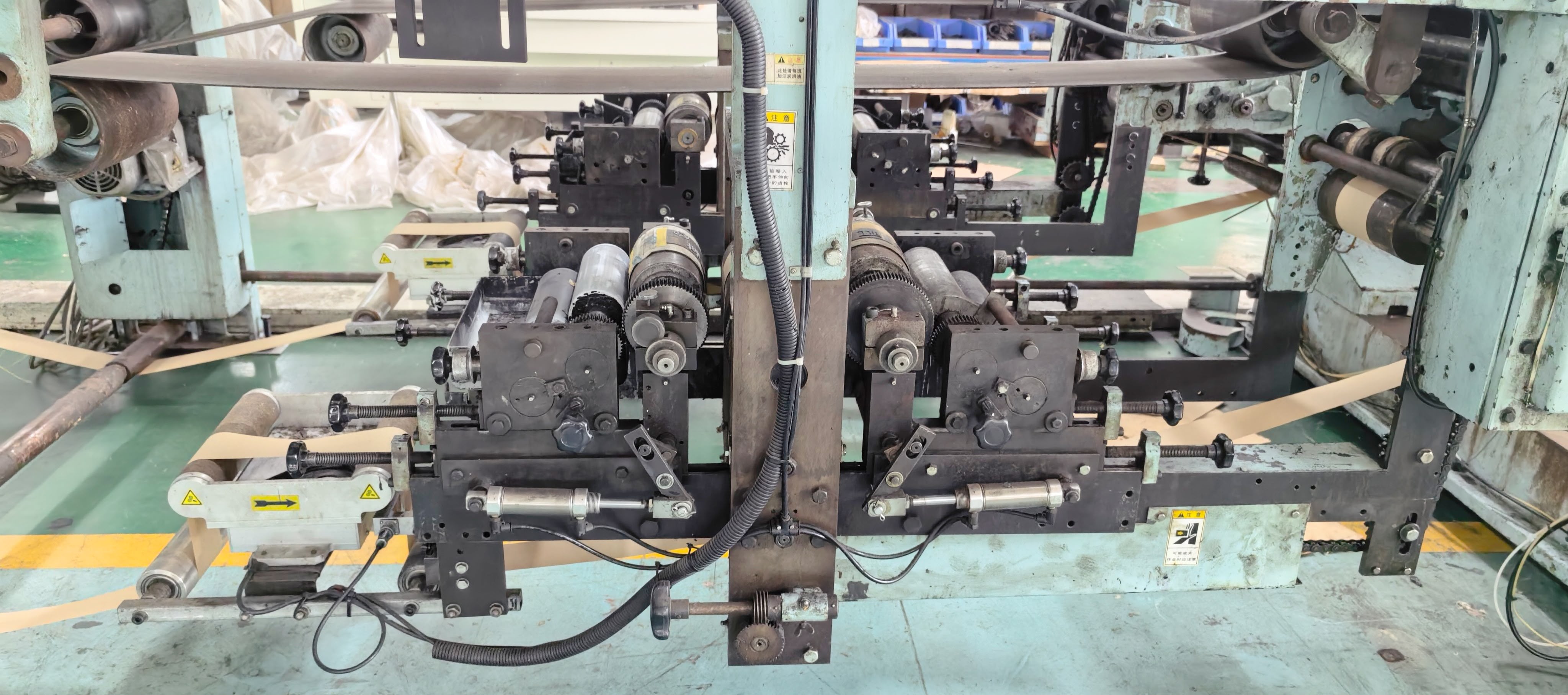
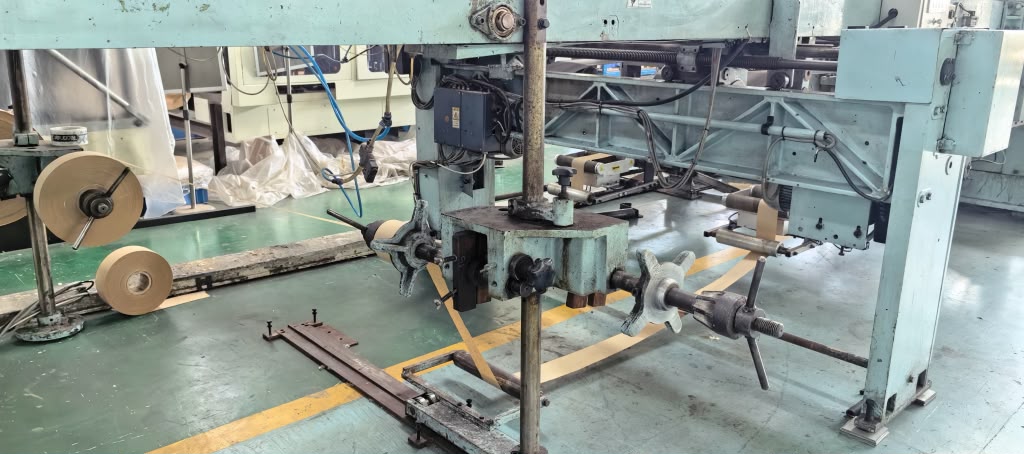
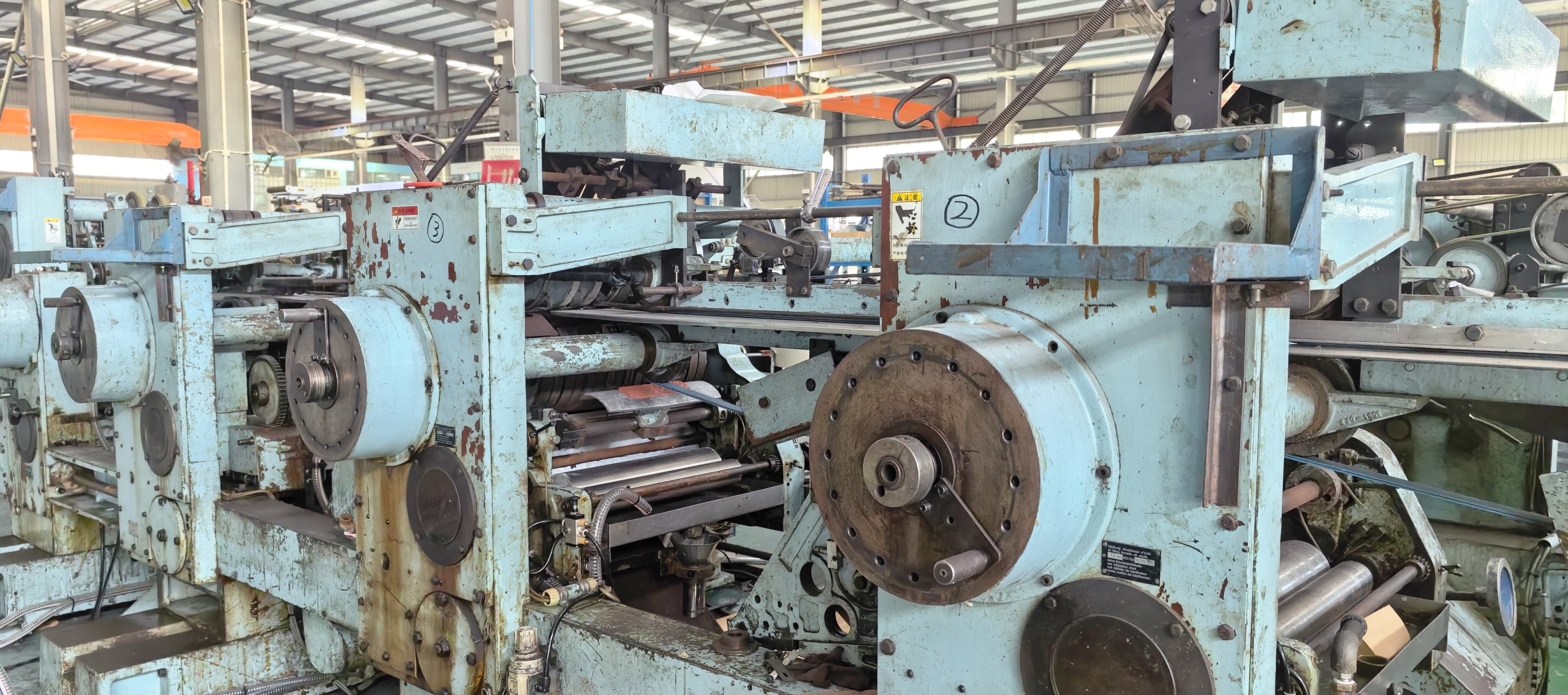
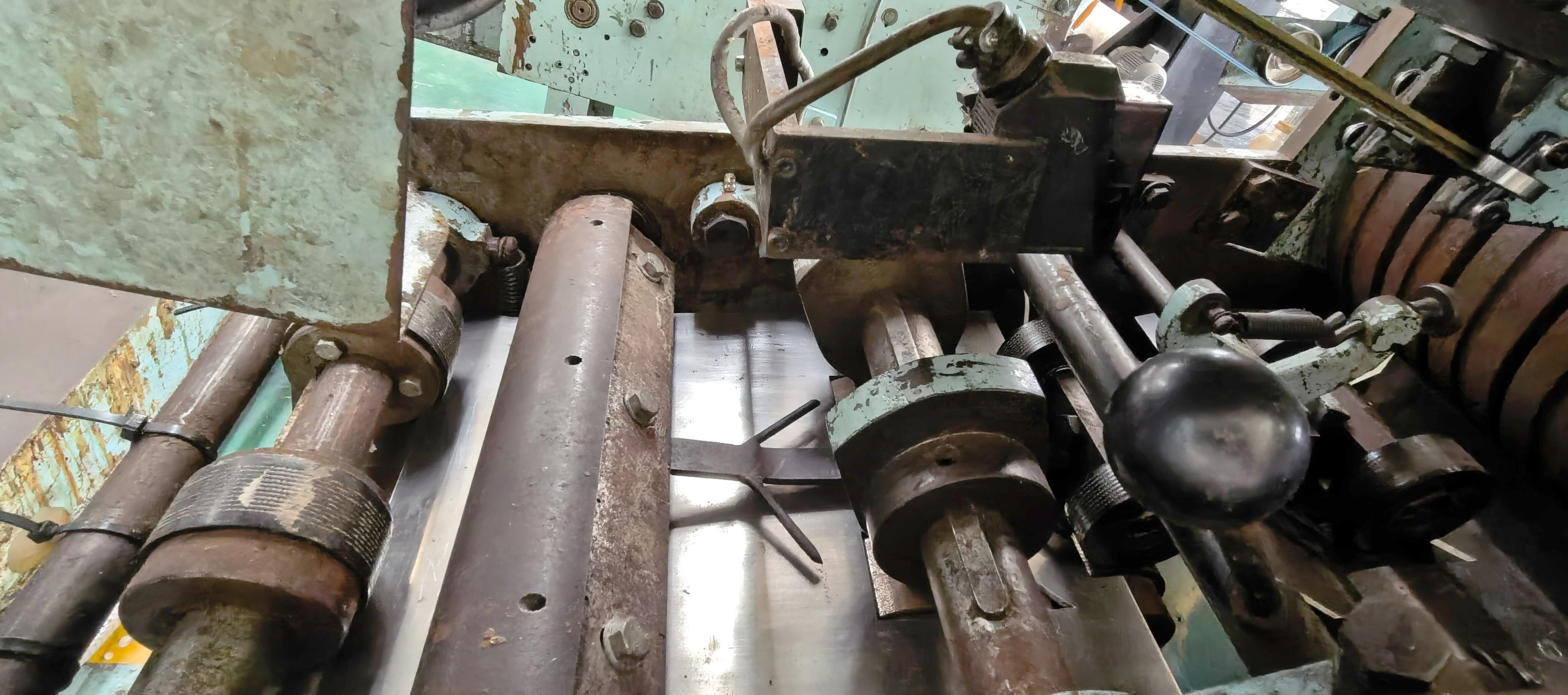
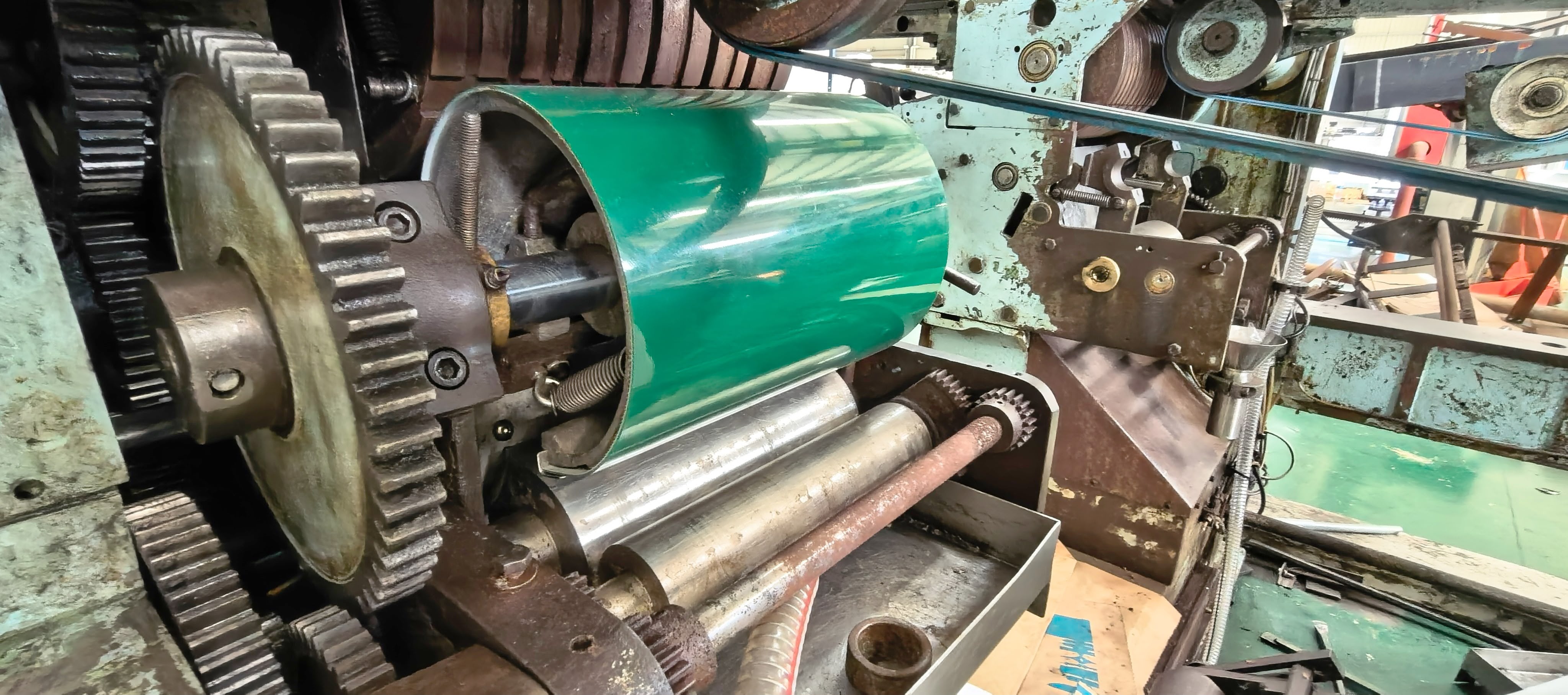
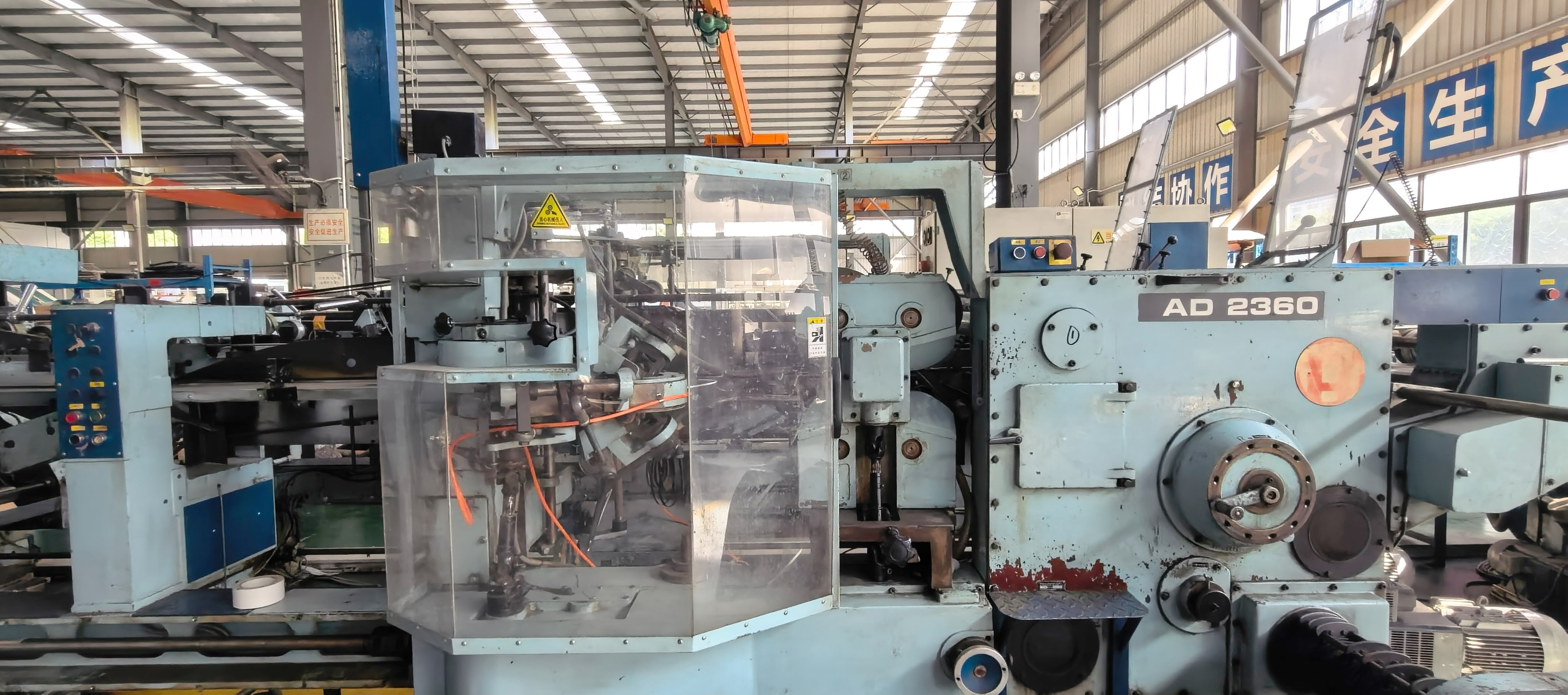
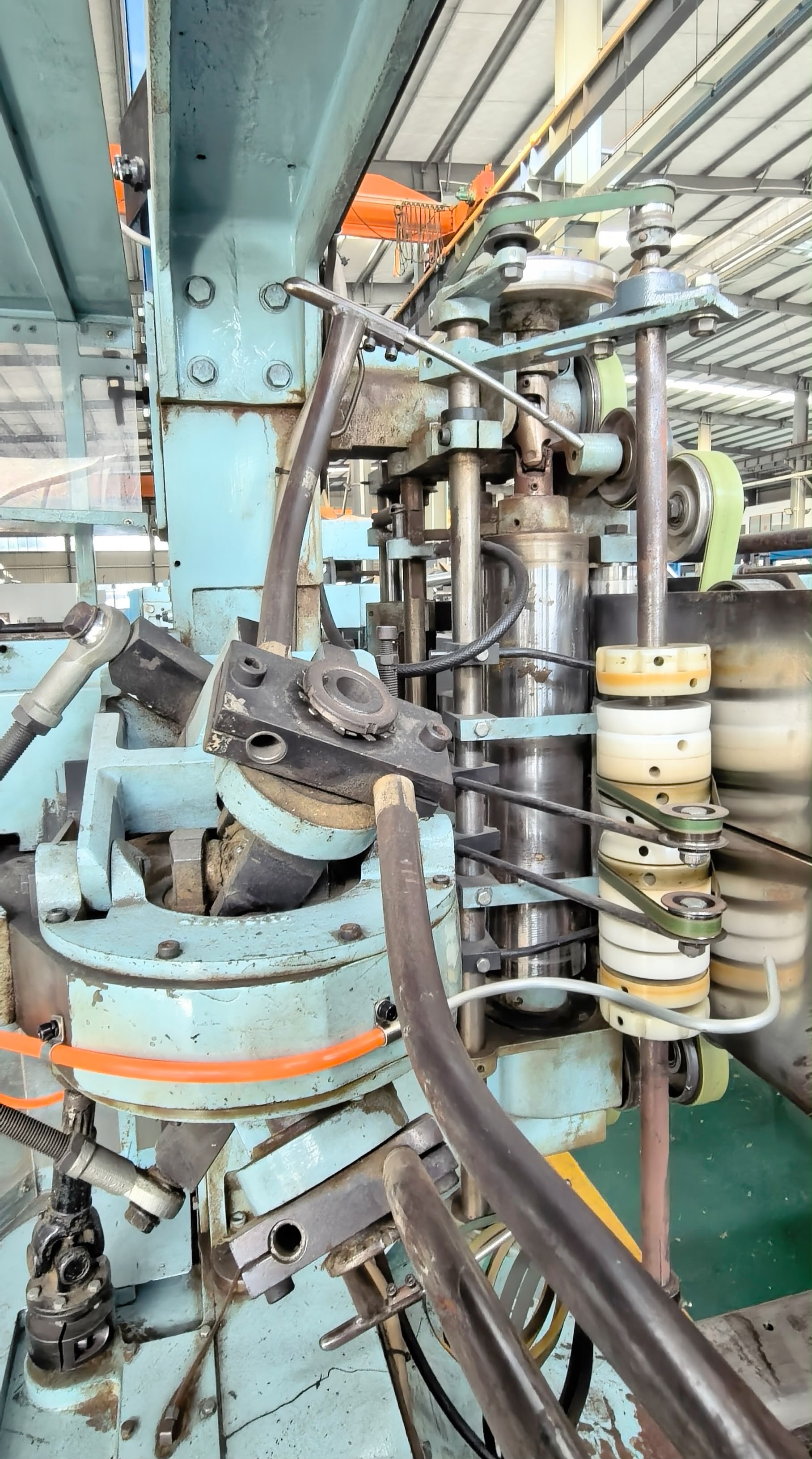
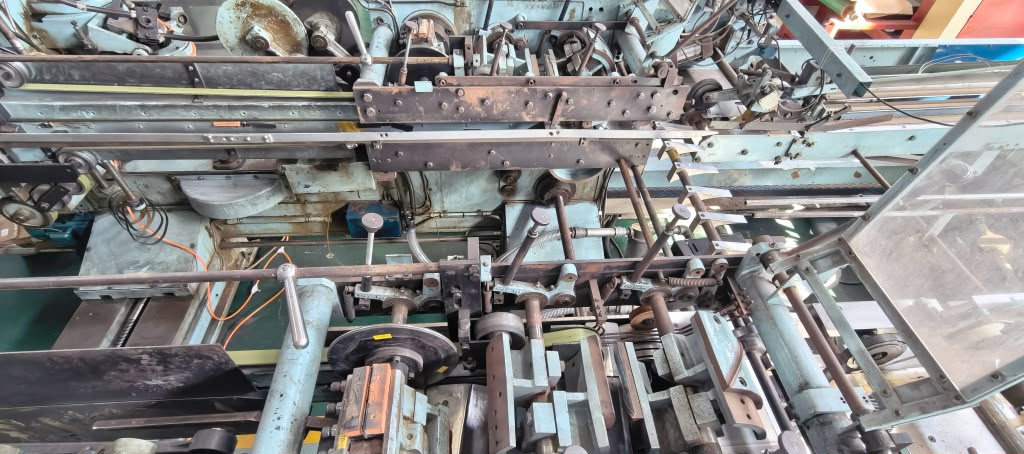
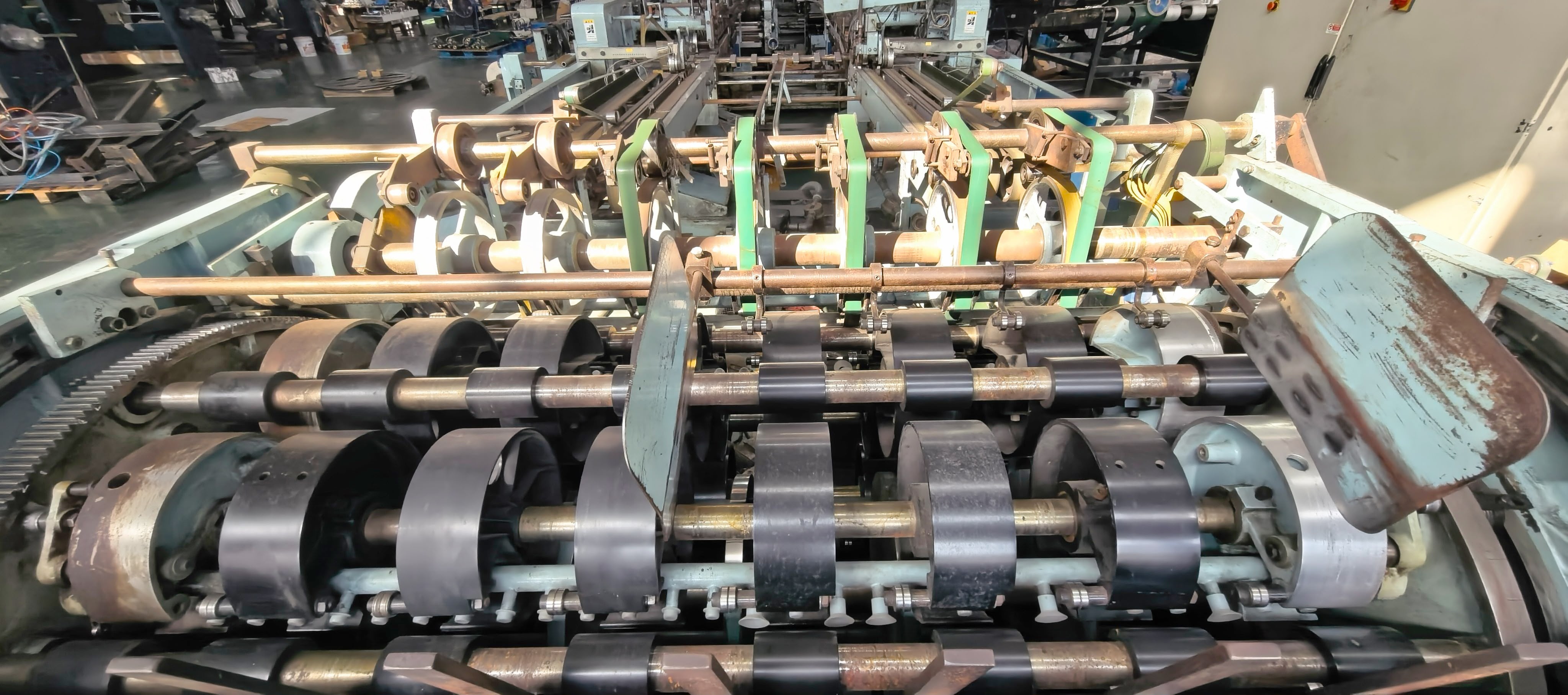
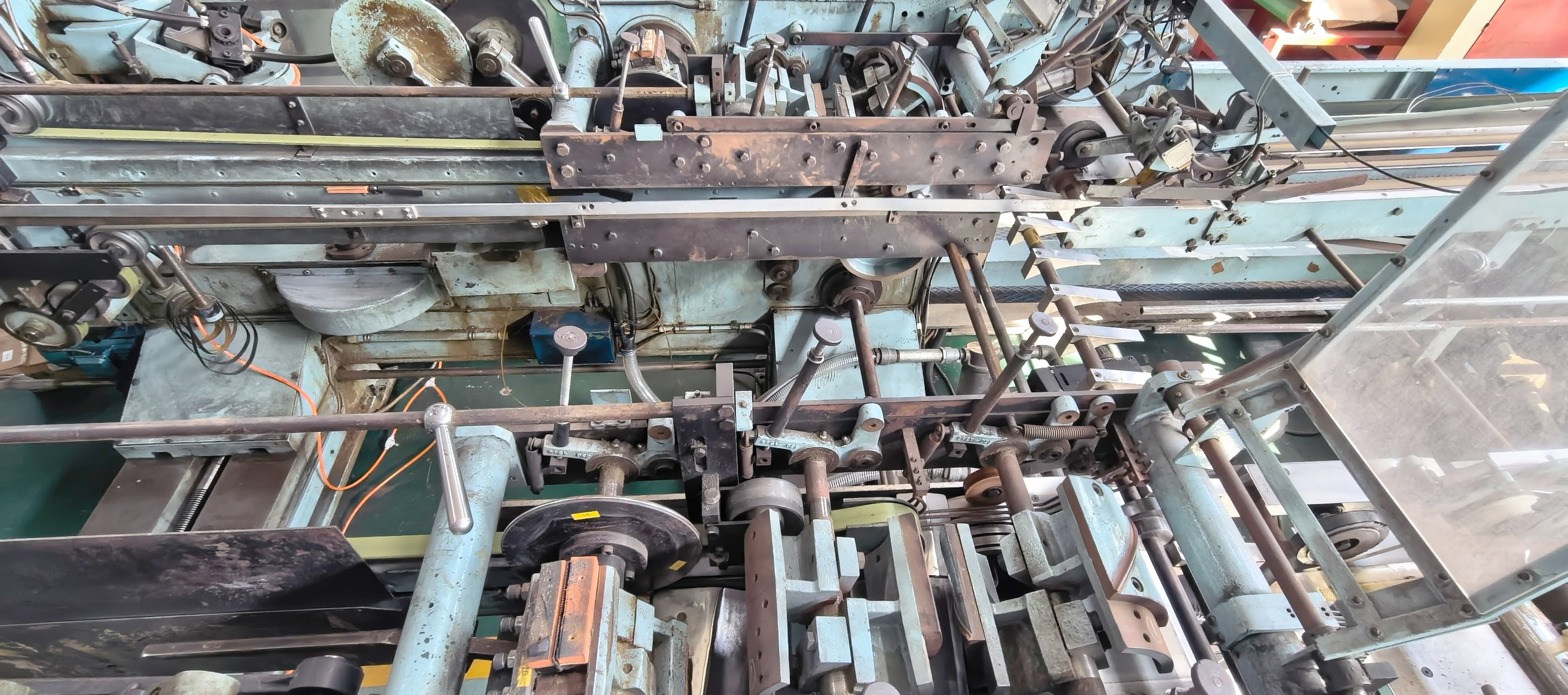
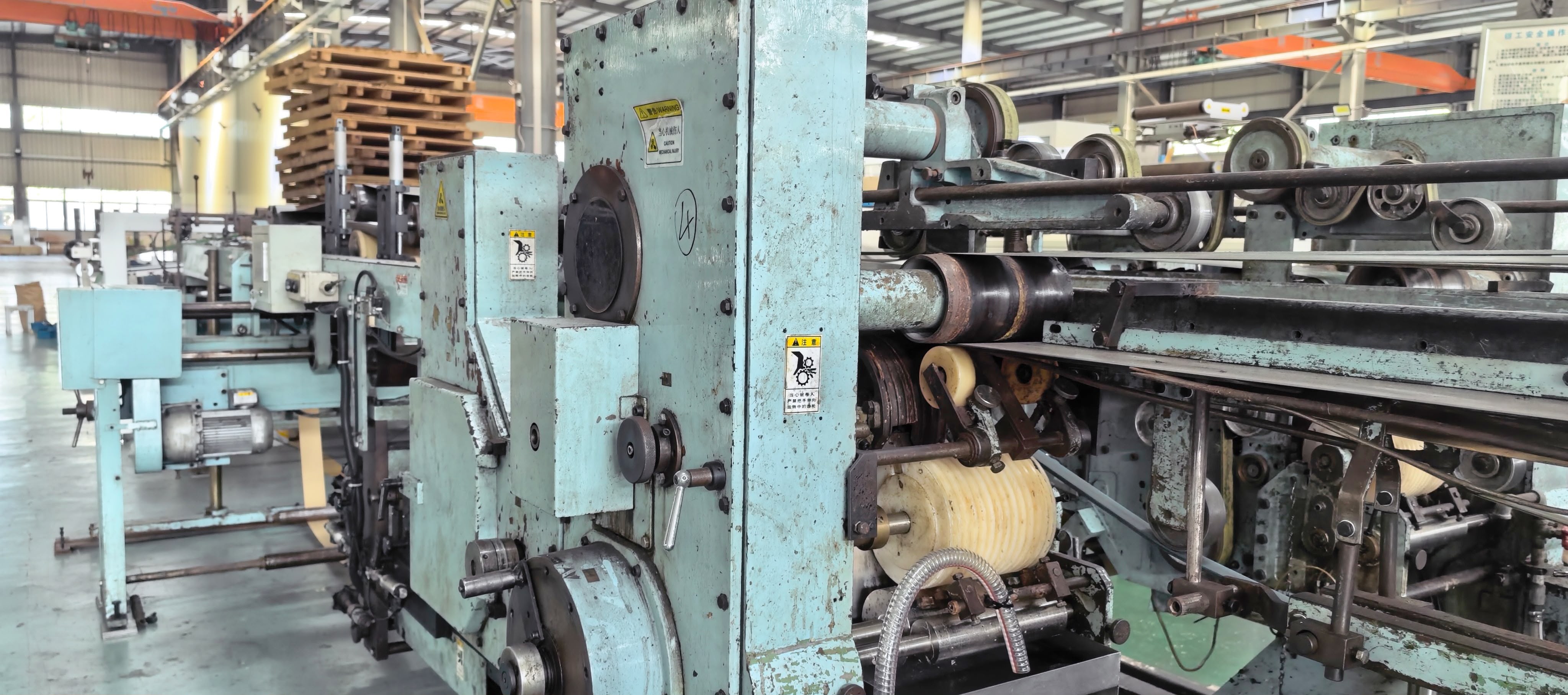
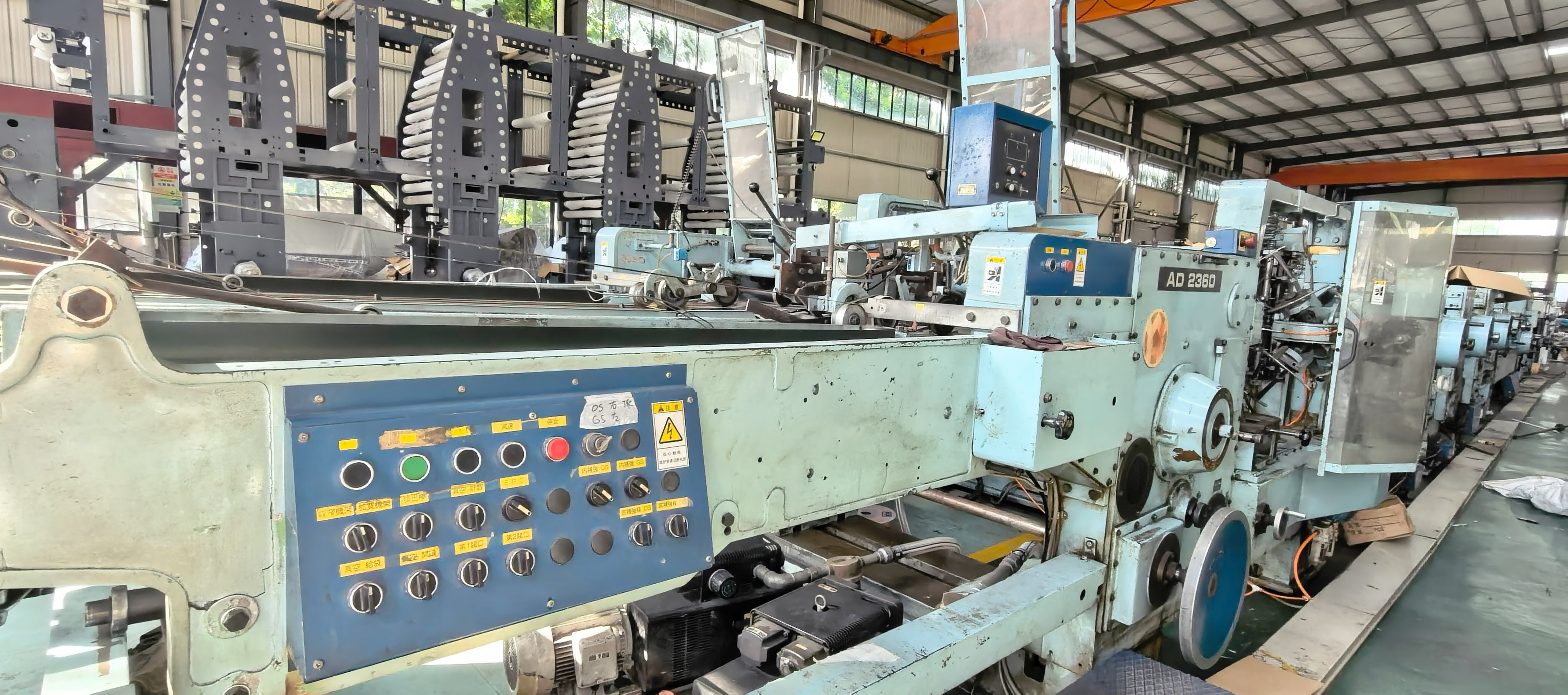
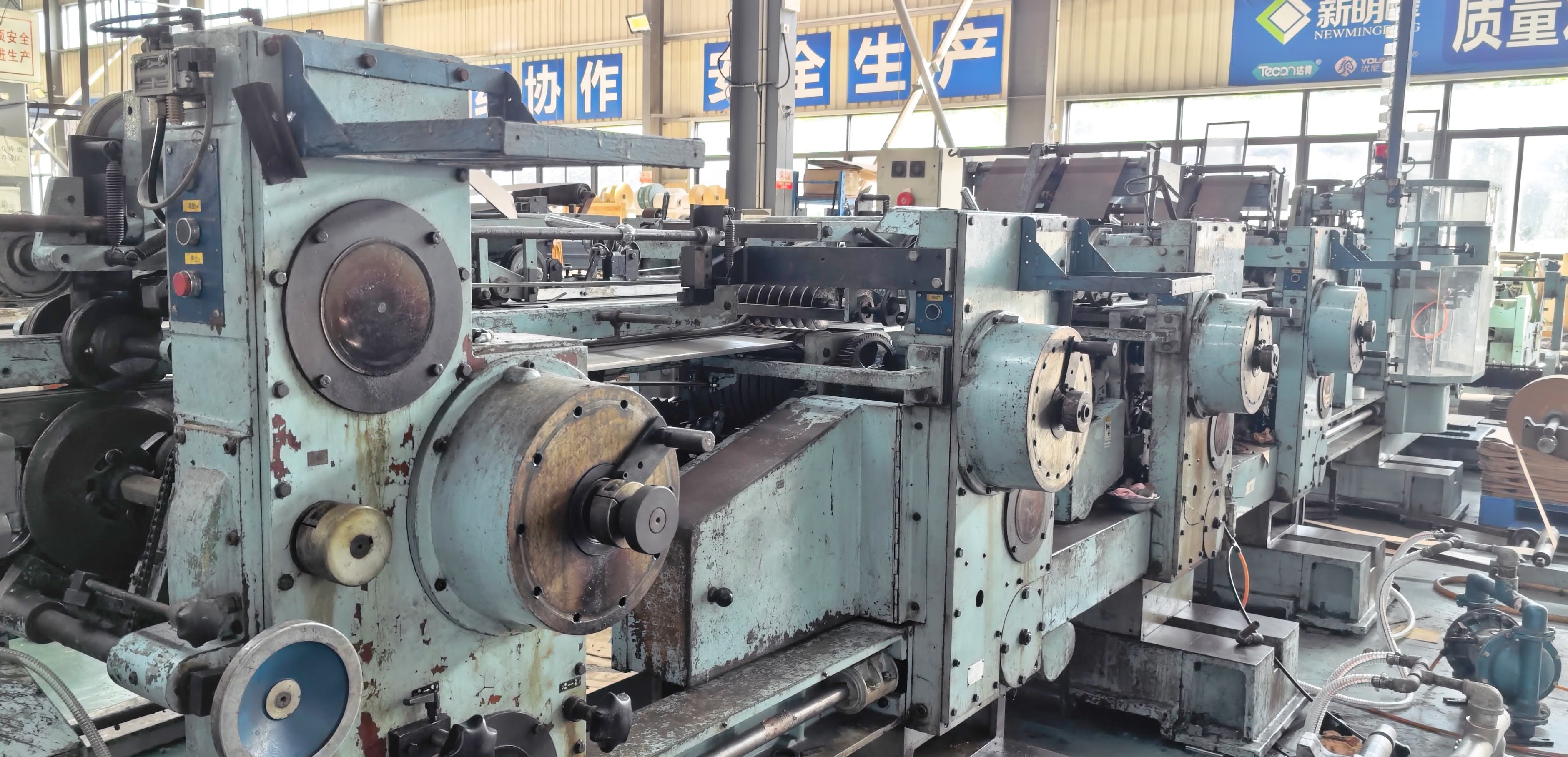
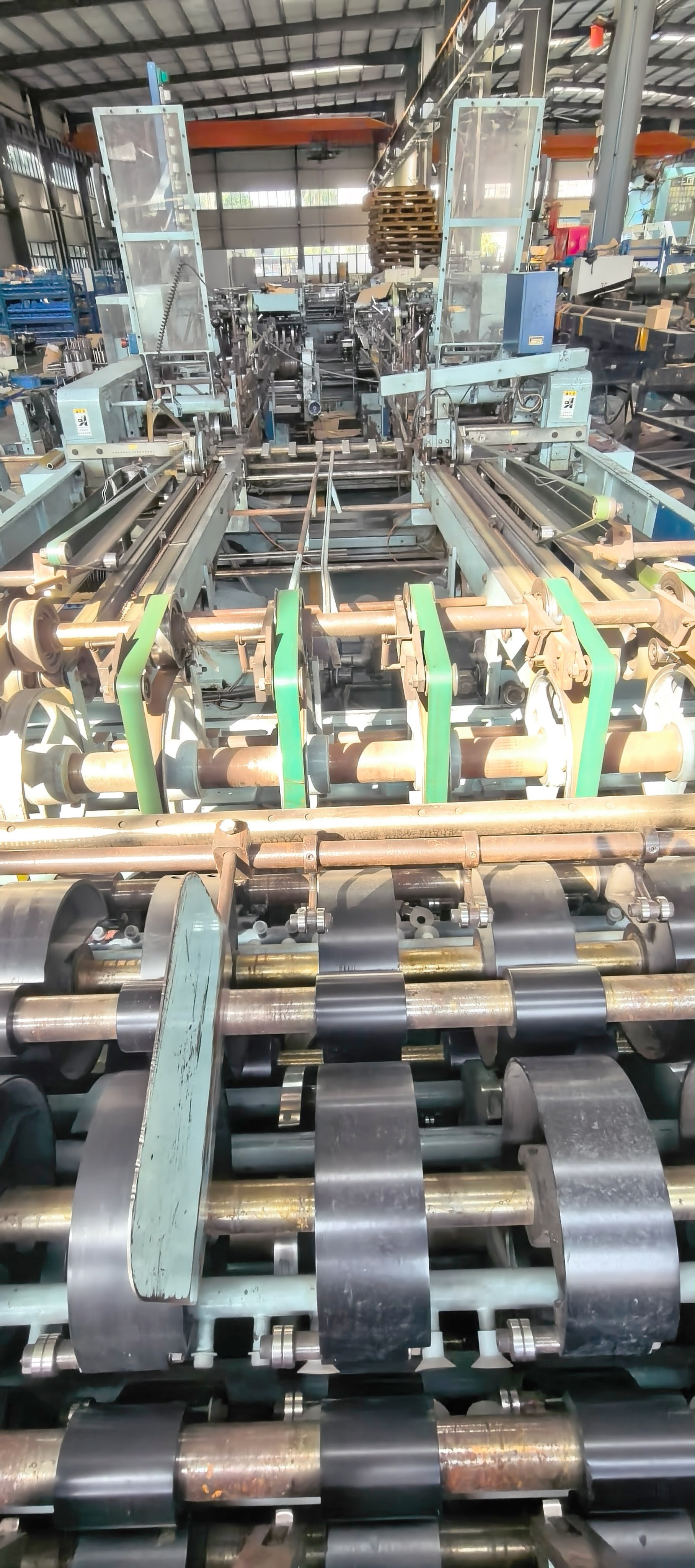
The W&H AD 2360-22 Bottomer with two valve units — a feature that is not commonly found in the market. A 2-valve unit is used to maximize the functionality of pasted valve bags according to the characteristics of the filling material.
For example:
• Cement / Fine Powder: Two sealing mechanisms are applied to prevent powder leakage and ensure sift-proofness.
• Chemical / Food Products: To completely block moisture penetration, it is common to use a paper valve on the outside and a PE film valve on the inside.
To achieve such combined functions, two different materials must be synchronized and overlapped, which requires the use of 2 valve units.
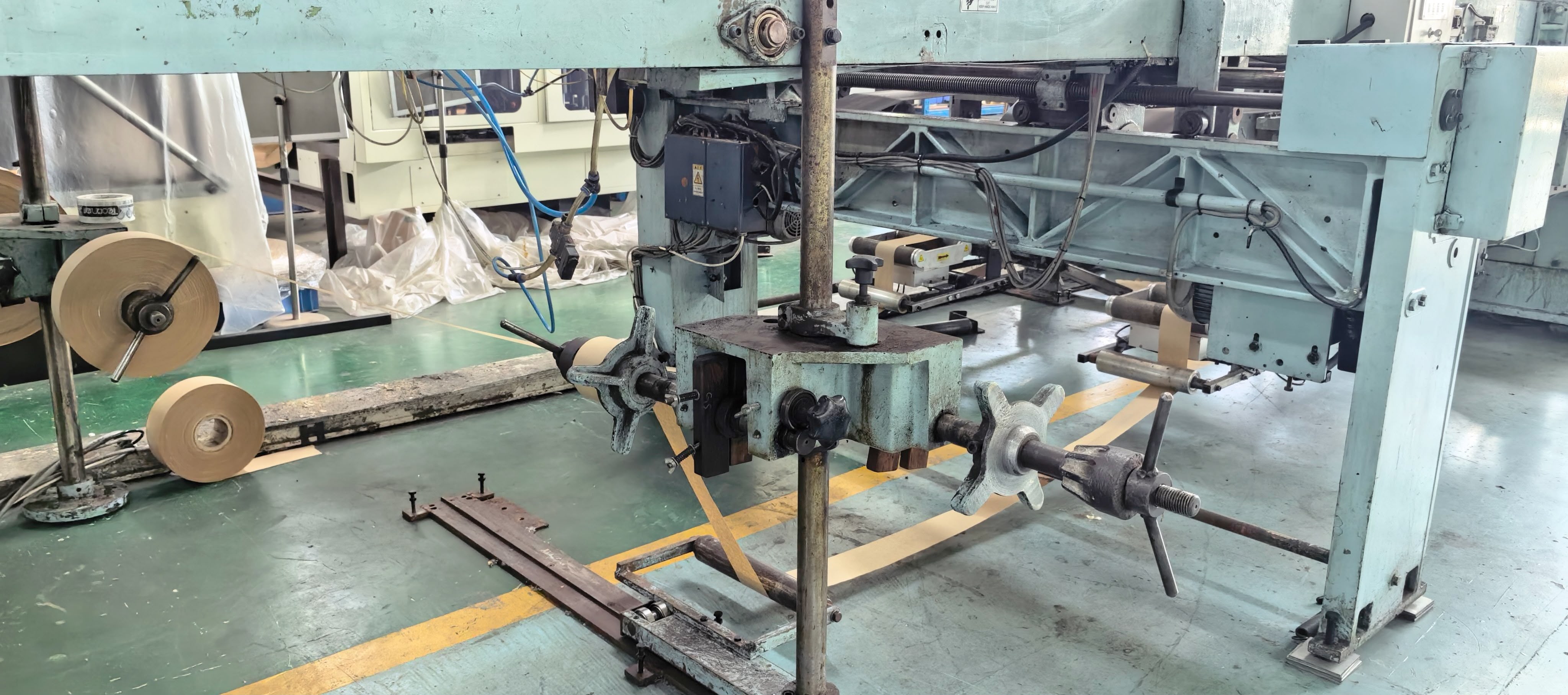
In a bottomer equipped with 2 valve units, each unit can handle a different valve patch or material — for instance, the first for an inner PE film valve and the second for an outer paper valve — allowing the production of bags with enhanced sealing and moisture-proof performance.
In contrast, a pasted valve bag made with a 1-valve unit generally uses a single valve structure (often paper only) and is therefore suitable for general-purpose applications without these special functions.
As a result, a bottomer equipped with 2 valve units is structurally more complex and typically more expensive than a single-valve model, reflecting its higher capability and versatility.