





 Admin: 365 Pack & Print GmbH
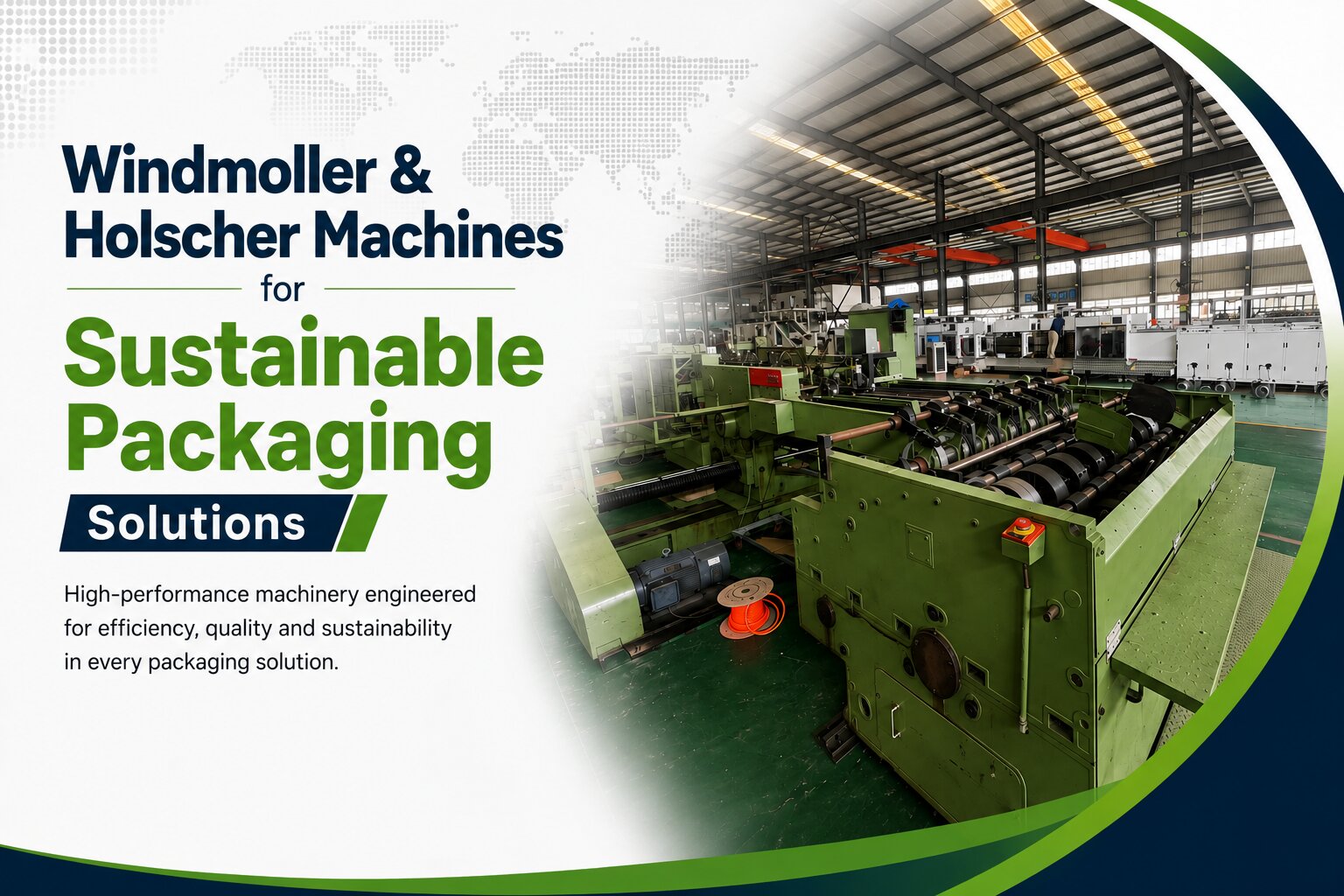
If you're weighing up flexible packaging equipment, Windmoller & Holscher machines are usually the ones other manufacturers point to first. They're German-engineered, built for precision extrusion, printing, and converting, and they've earned a reputation for cutting material waste rather than adding to it. At 365 Pack & Print Reliable Packaging, we spend a lot of our time helping businesses — from small print shops to full-scale plants — source, install, and keep these machines running smoothly, so their packaging lines stay efficient without falling behind on sustainability.
Packaging isn't just about speed anymore. Ask any manufacturer what's keeping them up at night, and somewhere in the answer you'll hear "waste," "energy costs," or "sustainability targets." That shift is exactly why Windmoller & Holscher machines keep coming up in conversation. Known simply as W&H in the industry, the company has spent decades building machinery that doesn't force you to choose between output and responsibility.
We work with packaging businesses at 365 Pack & Print Reliable Packaging who rely on this equipment day in and day out, so we've picked up a fair amount about what makes it worth the investment — and what to think through before you buy. That's what this post covers.
There's a reason W&H isn't just another name on a supplier list. Their machines handle extrusion, printing, and converting for flexible packaging — films, bags, pouches, laminates — and they do it with a level of consistency that's hard to match once you've tried the alternatives.
A few reasons companies keep coming back to this brand:
Sustainability in this industry isn't only about what material you end up with. It's just as much about how much gets wasted getting there — and that's where W&H machines tend to pull ahead.
Less scrap, less waste. Better extrusion and printing controls mean fewer botched runs and less film thrown out before it even becomes packaging.
Lower energy draw. A lot of the newer W&H models are built around energy-saving drives and heating systems — small design choices that add up to a meaningfully smaller carbon footprint over a year of production.
Room for recyclable materials. These machines don't fight you if you want to move toward mono-material or recyclable film structures. You can make that shift without slowing production down.
Fewer replacements over time. Durable equipment means less machinery ending up in landfill down the line — not the flashiest sustainability point, but a real one.
Automation that catches mistakes early. Smart monitoring cuts down on misprints and downtime, which quietly saves a lot of material that would otherwise go to waste.
Depending on what a plant is producing, you'll typically see these machines in the mix:
Which combination makes sense depends on your product, your volume, and how far you want to push your sustainability goals.
Every packaging business is set up a little differently, so we don't hand out one-size-fits-all recommendations. What we actually help with:
At the end of the day, we want your line running efficiently and sustainably — and profitably, because that matters too.
A few things worth sitting with before committing to new machinery:
Skipping these questions is how businesses end up with expensive regrets. A little planning upfront saves a lot of trouble later.
Demand for eco-friendly packaging isn't slowing down, and machines like W&H's will likely stay central to how manufacturers keep up — both on performance and on the environmental side. The companies investing in the right equipment now are the ones that'll adapt more easily as regulations tighten and materials keep evolving.
Windmoller & Holscher machines strike a balance that's genuinely hard to find elsewhere — solid production efficiency paired with real sustainability gains. Whether you're upgrading an existing line or building one from the ground up, the machinery you choose has a direct effect on quality, cost, and environmental impact down the line.
At 365 Pack & Print Reliable Packaging, we're here to help you make that decision with actual information, not sales pressure — including sourcing and supporting W&H equipment for the long haul.
1. What are Windmoller & Holscher machines used for?
Extrusion, printing, laminating, and converting flexible packaging materials like films, bags, and pouches.
2. Are these machines actually good for sustainable packaging?
Yes — they support recyclable film compatibility, cut material waste, and run on less energy.
3. Who should be looking at Windmoller & Holscher machines?
Packaging manufacturers who need fast, precise, durable equipment and don't want to compromise on quality.
4. Can 365 Pack & Print Reliable Packaging help set one up?
Yes, we help with machine selection, sourcing, and maintenance guidance based on your actual production needs.